insurance

Showing 22 to 39 of 39 (2 Pages)
Price Range
tips and tricks

কষ্টের টাকার সঠিক সিদ্ধান্ত নিন

৫ সেকেন্ডে বাজারের সেরা মূল্য জেনে নিন

Type at least 2 characters to search.

Compare Mobile

what is a medical assistant
By buymobile online • Feb 19, 2023

A medical assistant is a healthcare professional who performs both administrative and clinical tasks in medical settings such as hospitals, clinics, and doctor's offices. They work under the supervision of a physician, nurse practitioner, or other medical professional.

what is cms in healthcare
By buymobile online • Feb 19, 2023

In healthcare, CMS stands for the Centers for Medicare and Medicaid Services, a federal agency responsible for administering programs that provide healthcare coverage to millions of Americans. The agency oversees programs such as Medicare and Medicaid, works to improve the quality of care provided to patients, and ensures that healthcare services are accessible and affordable to all Americans.

what is chip medicaid
By buymobile online • Feb 19, 2023

CHIP Medicaid is a government-funded program that provides healthcare coverage to children from low-income families. It covers a wide range of healthcare services, including doctor visits, hospital care, prescription medications, and more. Eligibility varies by state, but children must generally be legal residents of the US and come from families whose income falls below a certain threshold.

what is medicaid
what is medicaid
By buymobile online • Feb 19, 2023

Medicaid is a joint federal and state government-funded program that provides healthcare coverage to eligible low-income individuals, families, and people with disabilities in the United States. It covers a range of essential medical services, including hospital stays, doctor visits, prescription drugs, and long-term care.

Workers compensation insurance
By buymobile online • Feb 19, 2023

Workers' compensation insurance provides benefits to employees who are injured or become ill as a result of their job. It is a mandatory insurance program in most states in the US and is designed to protect both employees and employers. In exchange for providing workers' compensation insurance, employers are typically protected from lawsuits by injured employees.

Motor Insurance Quotes
By buymobile online • Feb 19, 2023

Motor insurance quotes refer to the estimated cost of an insurance policy for a vehicle, typically provided by insurance companies to individuals who are seeking coverage for their cars, trucks, motorcycles, or other types of motor vehicles. These quotes are based on various factors such as the driver's age, driving record, vehicle make and model, and location, among others.

Private Health Insurance
By buymobile online • Feb 19, 2023

Private health insurance is a type of insurance that individuals can purchase to cover the cost of healthcare expenses. Unlike public health insurance, which is provided by the government, private health insurance is offered by private companies and can be purchased by individuals or provided as a benefit by employers.

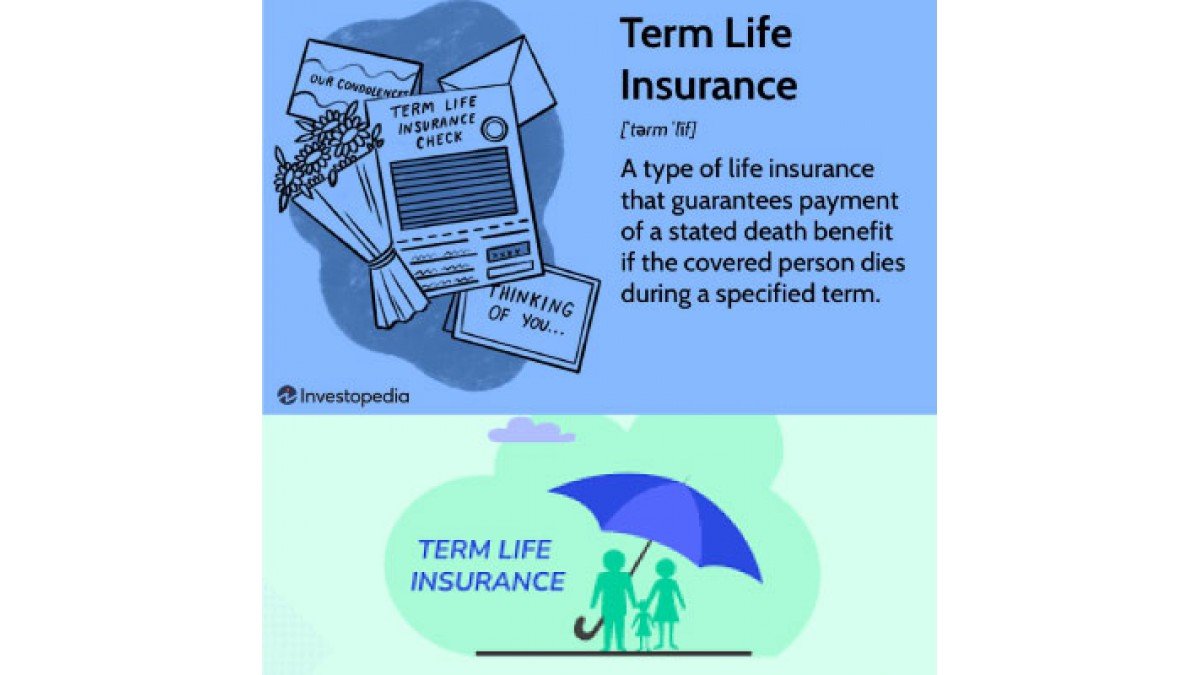
Term life insurance
Term life insurance
By buymobile online • Feb 19, 2023

Term life insurance is a type of life insurance that provides coverage for a specific period of time, usually ranging from one to thirty years. It is designed to provide financial protection for your loved ones in the event of your untimely death during the term of the policy.

Health insurance
Health insurance
By buymobile online • Feb 19, 2023

Health insurance is a type of insurance that helps cover the cost of medical expenses for individuals or families. It can be provided by employers or purchased directly from insurance companies, and typically covers doctor visits, hospital stays, prescription medications, diagnostic tests, and surgeries.

Car insurance companies
By buymobile online • Feb 19, 2023

Car insurance companies are businesses that offer coverage for drivers, protecting them financially against losses due to accidents, theft, or other damages. Some of the most well-known car insurance companies include State Farm, Geico, Progressive, Allstate, Nationwide, Farmers Insurance, Liberty Mutual, USA,

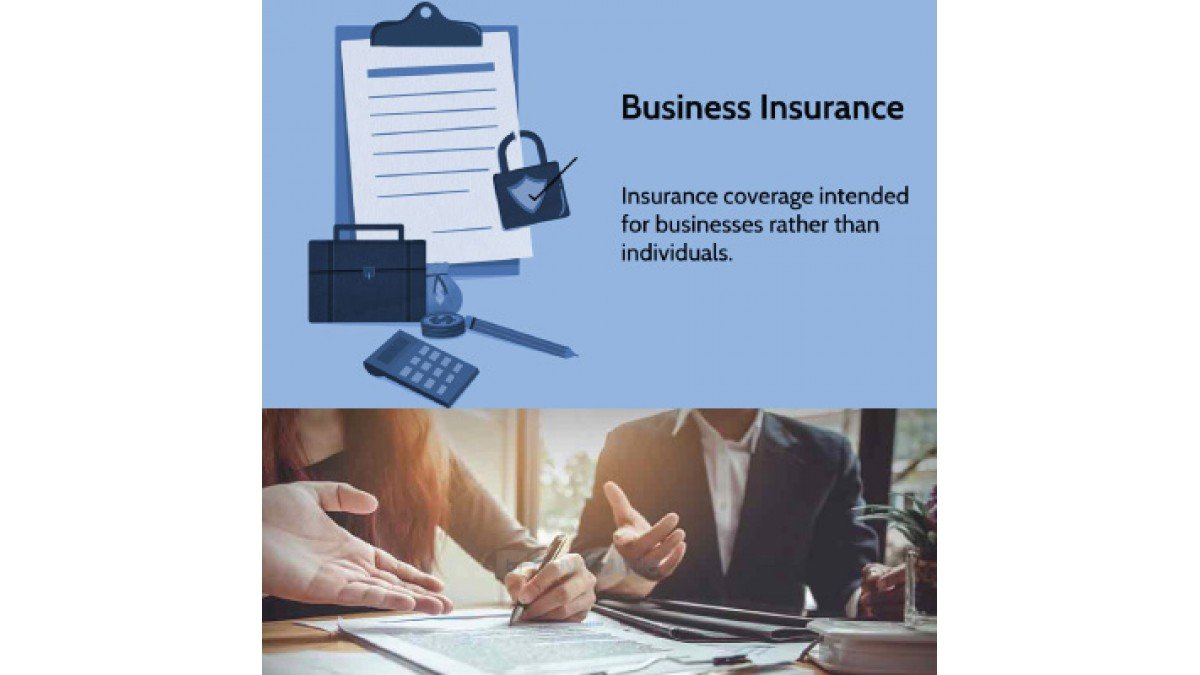
Insurance in a business
By buymobile online • Feb 19, 2023

Insurance in a business refers to the protection that a company purchases to mitigate potential losses due to various risks. Common types of business insurance include general liability, property, professional liability, workers' compensation, and cyber insurance. The type of insurance a business needs depends on its industry, size, and specific risks. Working with a licensed insurance agent or broker can help businesses determine the appropriate coverage for their needs.

Life insurance quotes
By buymobile online • Feb 18, 2023

Life insurance quotes are estimated costs for life insurance policies based on your personal information, health status, and coverage needs. Comparing multiple quotes can help you find the best coverage for your needs and budget.

Affordable Insurance
By buymobile online • Feb 18, 2023

Affordable insurance refers to insurance policies that provide adequate coverage at a price that is within your budget. The definition of "affordable" can vary depending on your financial situation, but generally

Homeowners insurance
By buymobile online • Feb 18, 2023

Homeowners insurance, also known as home insurance, is a type of insurance policy that provides financial protection to homeowners in the event of damage or loss to their property, personal belongings, or liability for injuries or property damage to others. It is typically required by mortgage lenders as a condition of the loan.

Auto insurance
Auto insurance
By buymobile online • Feb 18, 2023

Auto insurance is a type of insurance policy that provides financial protection for individuals or businesses in the event of an accident or other damage involving a vehicle. It covers damages and losses resulting from accidents, theft, vandalism, and other events. Auto insurance is typically required by law and can vary in coverage and cost depending on where you live and what options you choose.

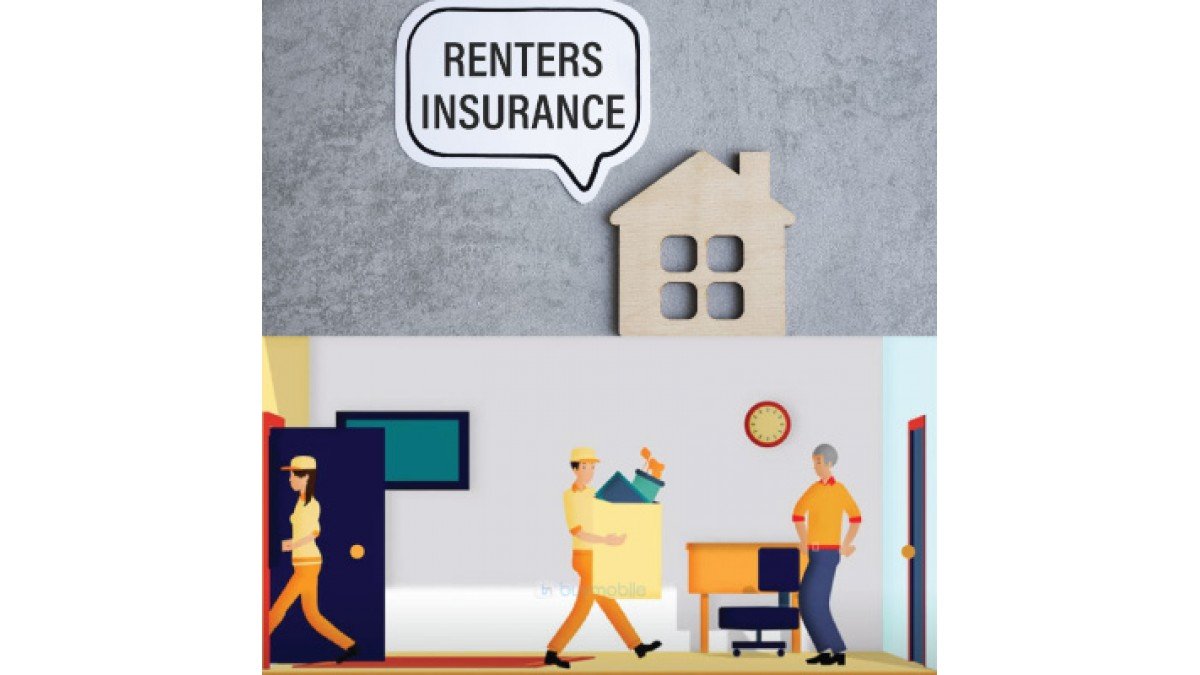
renters insurance
renters insurance
By buymobile online • Feb 18, 2023

Renters insurance is an insurance policy that provides financial protection for tenants who rent a living space, such as an apartment or a home. It typically includes coverage for personal belongings, liability for injuries or damages caused to others, and additional living expenses if the rental unit becomes uninhabitable due to a covered loss. Renters insurance policies may have limits and exclusions, and tenants can consider purchasing additional coverage for high-value items.

Life insurance
Life insurance
By buymobile online • Feb 18, 2023

Life insurance is a contract between an individual and an insurance company in which the individual pays a premium (regular payments) in exchange for a lump-sum payment (known as a death benefit) to be paid to their designated beneficiaries upon their death. Life insurance provides a measure of financial security and peace of mind to the policyholder, knowing that their loved ones will be taken care of financially in the event of their death.

travel insurance
travel insurance
By buymobile online • Feb 18, 2023

Travel insurance provides protection and coverage for unexpected situations that may occur during a trip, such as medical emergencies, trip cancellations, and lost or stolen luggage.

Showing 22 to 39 of 39 (2 Pages)

What is insurance

Insurance is a contract between an individual or business (the policyholder) and an insurance company. In exchange for regular payments called premiums, the insurance company agrees to provide financial protection in case of an unexpected event that could cause a loss.

The purpose of insurance is to help individuals and businesses manage their risks by protecting them against financial losses. There are many types of insurance available, including:

    Auto insurance: Provides coverage for damage or injuries caused by a car accident.

    Home insurance: Protects your home and its contents against damage or loss from natural disasters, theft, or other events.

    Life insurance: Provides financial support for your loved ones in case of your death.

    Health insurance: Covers the cost of medical expenses and treatments.

    Business insurance: Protects businesses against financial losses from property damage, liability claims, and other risks.

    Workers' compensation: Provides benefits to employees who are injured or become ill on the job.

Insurance policies have terms and conditions that dictate the coverage provided and any exclusions or limitations. It's important to carefully review these terms and compare policies from different providers to find the best coverage for your needs and budget.


Types of Insurance


There are many types of insurance available to protect individuals and businesses from various risks and losses. Here are some of the most common types of insurance:

Auto Insurance:

Provides coverage for damage or injuries caused by a car accident. Auto insurance can include liability coverage, which pays for damage you cause to others, as well as comprehensive and collision coverage, which pays for damage to your own vehicle.

Home Insurance:

Protects your home and its contents against damage or loss from natural disasters, theft, or other events. Home insurance typically covers damage to your home, personal belongings, and liability claims.

Life Insurance:

Provides financial support for your loved ones in case of your death. There are two main types of life insurance: term life insurance, which provides coverage for a specified period of time, and whole life insurance, which provides coverage for your entire life and includes a savings component.


Health Insurance:

Covers the cost of medical expenses and treatments. Health insurance can include coverage for doctor visits, hospital stays, prescription drugs, and more.


Disability Insurance:

Provides income replacement if you are unable to work due to an injury or illness.


Business Insurance:

Protects businesses against financial losses from property damage, liability claims, and other risks. Business insurance can include property insurance, liability insurance, workers' compensation insurance, and more.


Liability Insurance:

Provides protection against claims of negligence or wrongdoing. Liability insurance can include general liability insurance, professional liability insurance, and product liability insurance.


Travel Insurance:

Provides coverage for unexpected events that can occur while traveling, such as trip cancellations, medical emergencies, and lost or stolen baggage.


Pet Insurance:

Provides coverage for veterinary expenses and other costs associated with pet care.

These are just a few of the many types of insurance available. It's important to carefully review policy terms and compare coverage options from different providers to find the best insurance for your needs and budget.


How Insurance Works

Insurance works by transferring the risk of financial loss from an individual or business (the policyholder) to an insurance company. In exchange for regular payments called premiums, the insurance company agrees to provide financial protection in case of an unexpected event that could cause a loss.

When a policyholder experiences a loss, they file a claim with their insurance company. The insurance company reviews the claim and, if it meets the criteria outlined in the policy, pays the policyholder the agreed-upon amount for the loss.

The amount of coverage provided by an insurance policy, as well as the premiums, deductibles, and exclusions, are all outlined in the policy terms and conditions. It's important to carefully review these terms before purchasing insurance to ensure that you understand what is covered and what is not.

Insurance companies use actuarial science and statistical analysis to determine the likelihood of a particular event occurring and the potential financial impact of that event. This information is used to calculate the premiums that policyholders must pay to maintain their coverage.

By purchasing insurance, individuals and businesses are able to manage their risks and protect themselves against potentially catastrophic financial losses. However, it's important to understand that insurance does not cover every possible event, and policyholders must still take steps to minimize their risks and prevent losses whenever possible.


Insurance Policy Components

An insurance policy typically consists of several components that outline the coverage provided, policy terms and conditions, and other important information. Here are the main components of an insurance policy:

  •     Declarations Page: This page provides basic information about the policy, including the policyholder's name and address, the effective date and expiration date of the policy, and a summary of the coverage provided.
  •     Insuring Agreement: This section outlines the coverage provided by the policy and the conditions under which it will be paid. It typically includes a list of covered perils or events, and any exclusions or limitations to the coverage.
  •     Definitions: This section defines key terms used throughout the policy to ensure that everyone has a clear understanding of what is covered and what is not.
  •    Conditions: This section outlines the responsibilities of both the policyholder and the insurance company. It may include requirements for filing a claim, how losses will be evaluated and adjusted, and what happens in the event of a cancellation or non-renewal of the policy.
  •     Exclusions: This section lists specific perils or events that are not covered by the policy. Exclusions can vary widely depending on the type of insurance policy and the insurance company.
  •     Endorsements: Endorsements are modifications to the policy that can add or remove coverage or change policy terms. They are often added to the policy based on the policyholder's specific needs or circumstances.
  •     Riders: Riders are similar to endorsements, but they are separate documents that are attached to the policy. They can add or remove coverage or modify policy terms as well.
  •     Limits: This section outlines the maximum amount of coverage that will be provided by the policy for a particular peril or event. It can include overall policy limits as well as sub-limits for specific types of coverage.


Understanding the components of an insurance policy is important for ensuring that you have the right coverage for your needs and that you understand the terms and conditions of your policy. If you have questions about your policy, it's always a good idea to contact your insurance agent or the insurance company directly for clarification.


Advantage of insurance

Insurance provides many benefits for individuals, businesses, and society as a whole. Here are some of the advantages of insurance:

    Risk management: Insurance helps individuals and businesses manage their risks by protecting them against unexpected events that could cause financial losses.

    Financial security: Insurance provides financial security by providing a safety net in case of a loss. This can help individuals and businesses avoid financial ruin and protect their assets.

    Peace of mind: Knowing that you are protected against unexpected losses can give you peace of mind and reduce stress.

    Protection of assets: Insurance can protect your assets, such as your home, car, and business, from loss or damage.

    Business continuity: Insurance can help businesses recover from unexpected events, such as natural disasters or lawsuits, and continue their operations.

    Legal compliance: Some types of insurance, such as auto insurance and workers' compensation insurance, are required by law in many jurisdictions.

    Social welfare: Insurance can help to promote social welfare by providing compensation for victims of accidents or disasters, and by promoting safety and risk management practices.

To take advantage of insurance, you can follow these steps:

    Identify your risks: Evaluate the risks you face and determine what types of insurance coverage you need.

    Shop around: Compare policies and prices from different insurance providers to find the best coverage for your needs and budget.

    Read the policy: Carefully read the policy terms and conditions to ensure that you understand the coverage and exclusions.

    Maintain the policy: Pay your premiums on time and keep your policy up to date to ensure that you are protected.

    Make a claim: If you experience a loss that is covered by your policy, file a claim with your insurance provider to receive compensation.

By following these steps, you can take advantage of insurance to manage your risks, protect your assets, and promote your financial security and peace of mind.

Disadvantage of in insurance

While insurance provides many benefits, there are also some potential disadvantages that you should be aware of before purchasing an insurance policy. Here are some of the disadvantages of insurance:

    Cost: Insurance premiums can be expensive, and may not fit into everyone's budget. In some cases, the cost of insurance may outweigh the benefits of having coverage.

    Exclusions: Insurance policies may contain exclusions, which means that certain events or types of losses are not covered. This can limit the effectiveness of the insurance coverage and leave you vulnerable to unexpected losses.

    Deductibles: Many insurance policies require you to pay a deductible before coverage kicks in. This can be a significant cost, and may make it difficult for some people to afford the coverage they need.

    False sense of security: Having insurance coverage can give you a false sense of security, and may lead you to take risks or fail to take necessary precautions to prevent losses.

    Fraud: Insurance fraud is a serious problem, and can result in higher premiums for everyone. Fraudulent claims can also lead to criminal charges and legal consequences.

    Delayed or denied claims: Insurance claims can be delayed or denied for a variety of reasons, which can be frustrating and costly for policyholders.

    Overlapping coverage: In some cases, multiple insurance policies may provide overlapping coverage for the same event or loss. This can lead to confusion and may result in higher premiums.

To minimize the potential disadvantages of insurance, it's important to carefully review policy terms and conditions, shop around for the best coverage and pricing, and maintain a realistic perspective on the limitations of insurance coverage.